




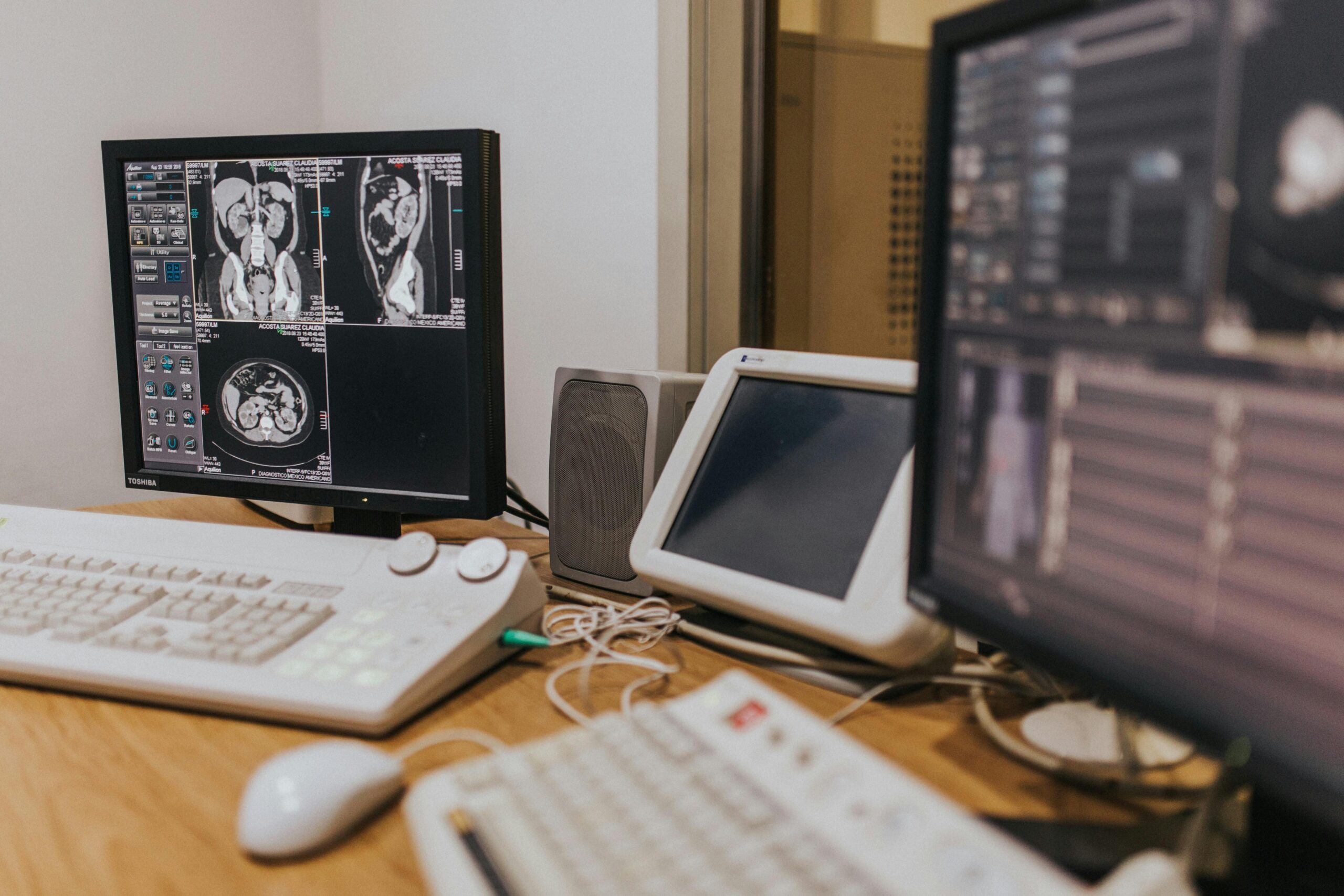

In Australia, software that meets the definition of a medical device is generally regulated by the Therapeutic Goods Administration (TGA). However, not all health‑related software is subject to full regulatory oversight.
The Therapeutic Goods (Excluded Goods) Determination 2018 sets out circumstances where certain health‑related software is excluded from regulation as a medical device in Australia. Although some of this software may operate in healthcare or clinical settings, it is considered low risk because it does not diagnose, treat, monitor, or directly influence decisions about individual patients.
Under the Determination, 15 specific categories of goods are excluded, several of which relate directly to software. In practice, these categories group into a smaller number of commonly encountered software types, which are outlined below.
What Does “Excluded” Mean?
When software is excluded under the Determination:
- It is not regulated as a medical device
- It does not need to be included in the Australian Register of Therapeutic Goods (ARTG)
- The manufacturer or sponsor does not need to meet medical device conformity assessment requirements
Importantly, exclusion applies only if the software meets specific conditions set out in the Determination.
Most Common Types of Excluded Software
Administrative and Practice Management Software
One of the most common exclusions applies to software used for administrative, financial, or operational purposes in healthcare. This includes systems for appointments, billing, invoicing, rostering, stock control, and document management.
Although widely used in clinical environments, this software does not provide clinical analysis or recommendations and therefore falls outside medical device regulation.
Information‑Only and Reference Software
Software that provides access to information without interpretation is also excluded. Examples include:
- Digital medical textbooks or journals
- Clinical guidelines presented in static form
- Drug references or manuals that do not tailor advice to an individual patient
The exclusion depends on the software not modifying data or generating new clinical insights. Once software starts interpreting patient‑specific information, it may become regulated.
Simple Data Storage, Transfer, or Display Software
Software that only stores, transfers, or displays data exactly as received is excluded. This includes platforms that:
- Display test results or images without enhancement
- Transfer data between systems or devices
- Act as passive viewers or dashboards
The key distinction is that the software does not analyse, calculate, or interpret the data for clinical purposes.
General Wellness and Lifestyle Software
Many consumer health applications fall into this category. Software is excluded when it supports general wellbeing or lifestyle improvement without making medical claims. Examples include apps that track:
- Physical activity or steps
- Sleep patterns
- Diet, hydration, or mindfulness
These products are excluded as long as they do not claim to diagnose disease or provide treatment recommendations.
Population‑Level, Research, and Quality Assurance Software
Software used for population health analysis, research, audit, or quality improvement may also be excluded, provided it is not intended to guide decisions about individual patients. This includes epidemiological tools and systems used for reporting or trend analysis at a group level.
The 15 Categories of Excluded Software
The Determination formally lists 15 categories of excluded goods, which include software used for purposes such as:
- Administration and practice management
- Information provision and education
- General health and lifestyle support
- Data storage, transfer, and display
- Research, population health, and quality assurance
- Non‑clinical calculators and simple tools
- Communication and record‑keeping systems
While the legislation separates these into 15 distinct exclusions, many overlap in practice and are commonly understood as variations of the software types described above.
Key Takeaway
Software is excluded under the Determination based on its intended purpose, not where it is used. If software does not diagnose, treat, predict, monitor, or guide clinical management for an individual, it is likely to fall within one of the 15 excluded categories. Once software begins influencing clinical decisions, it may instead be regulated as Software as a Medical Device (SaMD).
Contact us if you want to understand whether your SaMD is excluded.


