




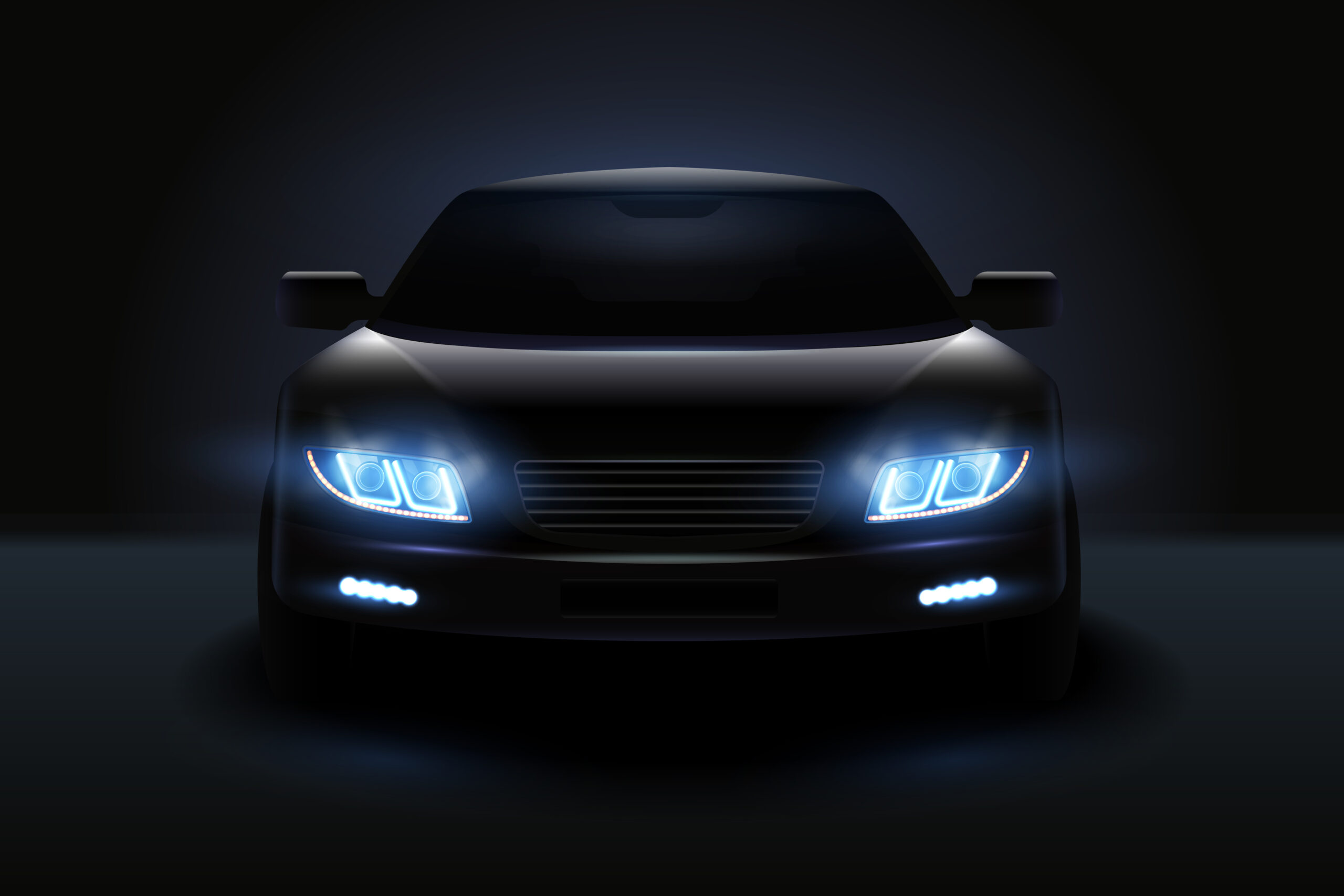

Australia has introduced the most significant overhaul of vehicle lighting regulations in decades. The Vehicle Standard (Australian Design Rule) Vehicle Lighting Amendment 2026 (F2026L00854) modernises lighting requirements, aligns Australia with simplified UN regulations, and introduces four new ADRs specifically designed for LED and modern lighting technologies.
These changes affect every vehicle category, every lighting component, and every organisation’s ISO 9001 and ROVER compliance obligations.
1. Why the ADRs Have Changed
The UN vehicle lighting expert group recently consolidated 20 lighting regulations into 3, while adding a new LED‑specific regulation. Australia is harmonising with these modern standards to:
- Improve road safety
- Reduce regulatory burden
- Provide internationally recognised certification pathways
- Support modern LED and intelligent lighting systems
The 2026 amendment instrument updates existing ADRs and introduces four new ones.
2. Summary of the New ADRs (2026)
The Department of Infrastructure confirms the introduction of four new ADRs: ADR 101/00, 102/00, 103/00, 104/00.
ADR 101/00 – Light Emitting Diode (LED) Light Sources
Defines performance, durability, colour, photometric stability, and interchangeability requirements for LED light sources. Key intent: ensure LED modules meet consistent global standards and can be certified without relying on legacy filament‑based rules.
ADR 102/00 – Light Signalling Devices
Covers indicators, stop lamps, reversing lamps, position lamps, and registration plate lamps. Focus: harmonised LED signalling performance, colourimetry, luminous intensity, and failure behaviour.
ADR 103/00 – Road Illumination Devices (Lamps)
Applies to headlamps, fog lamps, and other forward‑illumination devices. Focus: LED headlamp photometry, beam pattern accuracy, glare control, and compatibility with adaptive driving beam (ADB) technologies.
ADR 104/00 – Retro‑reflective Devices and Markings
Covers reflectors, reflective tapes, and conspicuity markings. Focus: LED‑compatible reflectivity standards, long‑term durability, and harmonisation with UN retro‑reflective regulations.
3. Changes to Existing ADRs
The 2026 instrument amends several existing ADRs to reference the new LED‑aligned ADRs instead of older UN regulations.
ADR 13/00 – Installation of Lighting and Light‑Signalling Devices on Other Than L‑Group Vehicles
Major update:
- Clause 7.7 repealed and replaced.
- All references to UN Regulations (e.g., UN R6, R7, R19, R23, R98, R112) are now mapped to equivalent ADRs such as 46/00, 77/00, 103/00, 102/00, 49/00, 48/00, etc. This ensures installation rules reference Australian ADRs, not UN regulations directly.
ADR 19/01 & ADR 19/02 – Installation of Lighting on L‑Group Vehicles
Updated to recognise ADR 101/00–104/00 as alternative certification pathways. Outcome: L‑group manufacturers can certify LED devices under new ADRs rather than legacy lamp‑specific rules.
ADR 67/00 – Installation of Lighting on Three‑Wheeled Vehicles
Similarly amended to incorporate the new ADRs as acceptable alternatives for certification. This reduces complexity and aligns three‑wheelers with the same LED‑based framework.
4. What These Changes Mean for Manufacturers & Importers
4.1 Harmonised Certification Pathways
Manufacturers can now certify lighting components using:
- The new ADRs (101–104), or
- Existing ADRs (e.g., 46/00, 49/00, 50/00, 75/00, 77/00) This flexibility reduces regulatory burden and aligns Australia with global best practice.
4.2 LED‑First Compliance Architecture
The new ADRs explicitly support LED modules, adaptive headlamps, and modern signalling technologies.
4.3 Installation Rules Now Reference ADRs, Not UN Regulations
The amendment instrument replaces UN references with ADR equivalents, ensuring domestic consistency.
5. ISO 9001:2015 Implications
The ADR changes directly affect Context of the Organisation, Customer Requirements, and Design & Development processes.
5.1 Context of the Organisation (Clause 4)
You must update your context analysis to include:
- New regulatory obligations (ADR 101–104)
- Changes to installation ADRs (13/00, 19/01, 19/02, 67/00)
- Increased reliance on LED‑specific performance and durability requirements This becomes part of your external issues and compliance obligations register.
5.2 Customer Requirements (Clause 8.2)
Customers (vehicle OEMs, importers, component suppliers) now require:
- ADR 101–104 certification evidence
- Updated installation compliance documentation
- Proof that LED modules meet new photometric and durability standards Your QMS must ensure these requirements are captured, reviewed, and validated.
5.3 Design & Development (Clause 8.3)
Design processes must incorporate:
- LED‑specific photometric testing
- New ADR performance criteria
- Updated installation constraints
- Change control for transitioning from UN‑based certification to ADR‑based certification Design validation must reference the correct ADRs and ensure compatibility with installation rules.
6. ROVER Quality Management System Implications
ROVER (Road Vehicle Regulator) is the system used for:
- Component type approvals
- Vehicle type approvals
- Conformity of production (CoP)
The new ADRs impact ROVER in several ways:
6.1 Updated Evidence Requirements
ROVER submissions must now include:
- ADR 101/00–104/00 test reports
- Updated installation compliance evidence referencing amended ADR 13/00, 19/01, 19/02, 67/00
- Revised technical specifications for LED modules
6.2 Updated Component Type Approval Pathways
Where previously UN R6, R7, R19, R23, R98, R112 were used, ROVER now expects ADR‑based evidence (e.g., ADR 102/00 for signalling lamps, ADR 103/00 for headlamps).
6.3 QMS & CoP Adjustments
Your ROVER‑aligned QMS must:
- Update controlled documents to reference new ADRs
- Update CoP procedures to include LED‑specific testing and sampling
- Ensure suppliers provide ADR‑aligned evidence
- Maintain traceability for LED modules and assemblies
6.4 Transition Planning
ROVER requires clear transition documentation showing how you will move from legacy ADRs to the new LED‑aligned ADRs.
7. What You Need to Do Now (Action Plan)
Step 1 — Update Regulatory Registers
Add ADR 101/00–104/00 and amendments to ADR 13/00, 19/01, 19/02, 67/00.
Step 2 — Update Design & Development Inputs
Ensure engineering teams use the new ADRs for LED modules and lamps.
Step 3 — Update Supplier Requirements
Require ADR 101–104 compliance evidence for all lighting components.
Step 4 — Update ROVER Documentation
Revise type approval submissions and CoP documentation.
Step 5 — Train Staff
Train engineering, quality, and regulatory teams on the new ADR structure.
Step 6 — Conduct a Gap Assessment
Identify where legacy UN‑based evidence must be replaced with ADR‑based evidence.
8. Summary
Australia’s 2026 LED lighting reforms introduce four new ADRs and update several existing ones. These changes modernise lighting regulation, align Australia with global standards, and require updates to ISO 9001 QMS processes and ROVER submissions. Manufacturers and importers must act now to ensure compliance before certification deadlines.
Do you need help? Contact us for a confidential discussion.


